The Survivors, a six-part series that premiered on Netflix on June 6, has quickly risen to global prominence, securing a spot in the global top 5 most-watched series in its debut week.
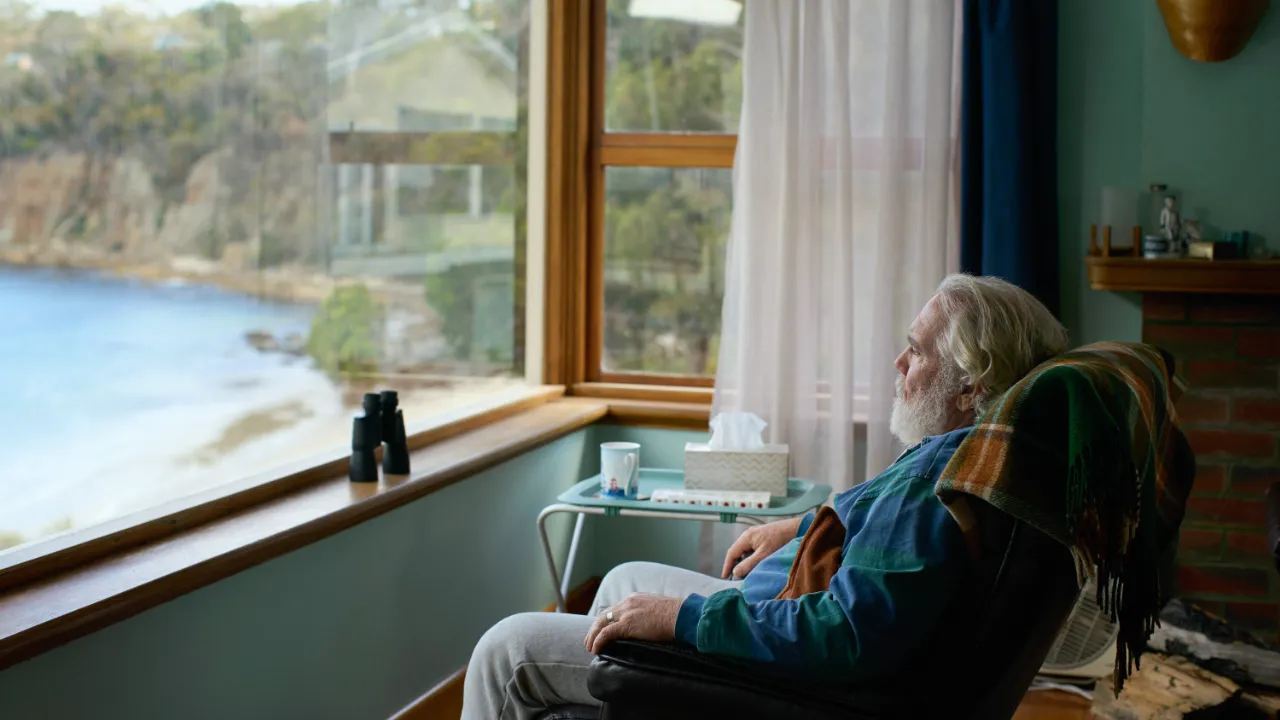
Adapted from Jane Harper’s bestselling novel, the series, filmed in Southern Tasmania, follows Kieran Elliott as he returns to his coastal hometown of Evelyn Bay after 15 years away. Still haunted by the tragic drowning of his brother and a close friend, the discovery of a new body forces Kieran to confront buried secrets in this gripping and critically acclaimed murder mystery.
The series is produced by the award-winning team at Tony Ayres Productions (Fires, Clickbait, Stateless), which is backed by Matchbox Pictures and Universal International Studios, a division of Universal Studio Group. The series brings together executive producer Tony Ayres, producer Andy Walker, and location manager Kate Fox.
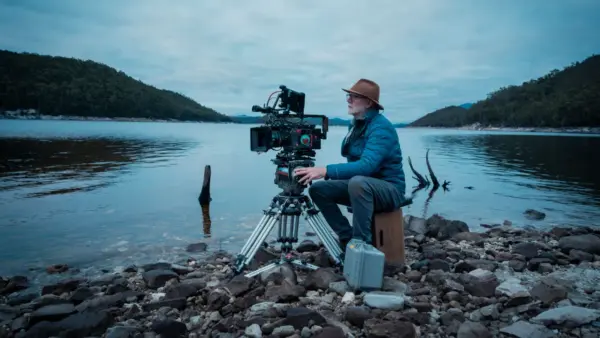
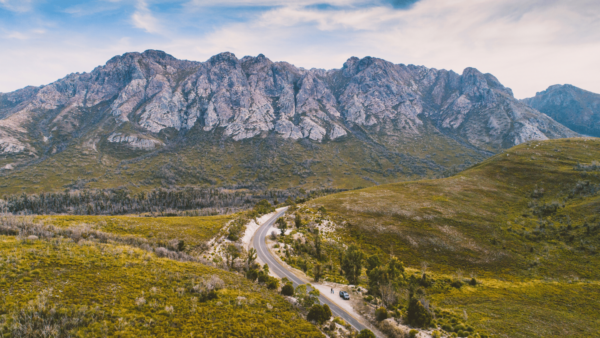
They shared behind-the-scenes insights into the development of The Survivors and how the Tasman Peninsula’s untamed beauty shaped the story – becoming a silent, powerful character in its own right.
The Initial Driver

When asked what initially drew the team to the Tasman Peninsula, Ayres and Walker pointed to its dramatic aesthetic and emotional resonance.
“It’s gothic and emotional, and it fits effortlessly with the show’s underlying melodrama,” Ayers said.
Walker added, “It keeps delivering more beautiful locations. It’s dramatic, accessible, and just an hour from Hobart.”
Though Evelyn Bay is fictional, Harper’s own experience diving near Eaglehawk Neck inspired the production team to follow her trail.
“We wanted to make it as authentic as possible,” Ayres explained. “The geography felt completely appropriate for the emotional temperature of the show.”
Fox emphasised the region’s cinematic appeal: “It speaks for itself. The Tasman Peninsula offers filmmakers a rich visual palette that is striking and versatile. It’s not just beautiful, it’s practical.”
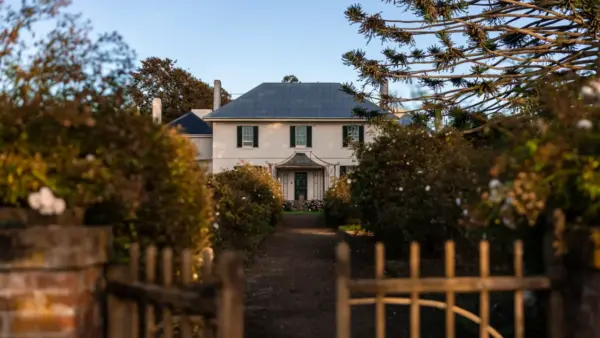
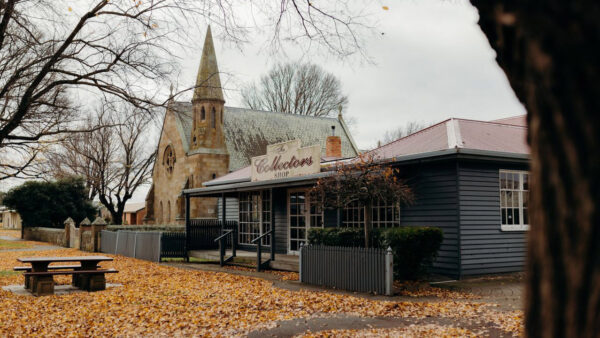
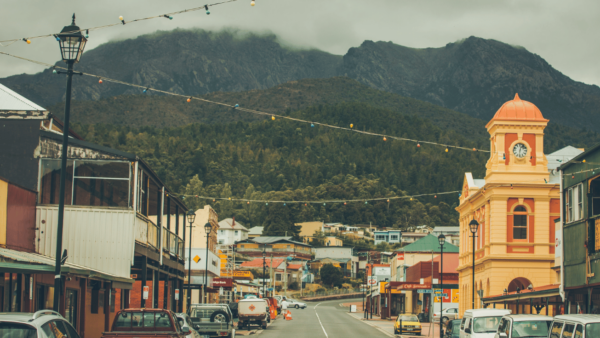
In addition to filming on location at the Tasman Peninsula, the production team created the fictional town of Evelyn Bay by combining various locations in the Greater Hobart area. These locations include Sandy Bay, Taroona, Kingston, Fern Tree, Blackman’s Bay, Howden, Margate, and further afield in Geeveston and New Norfolk.
By blending real and fictional environments, the team aimed to remain true to the novel’s tone, ensuring that the setting felt authentic and immersive for the audience.
Atmosphere and Storytelling

The Tasman Peninsula (Turrakana in the local First Nations dialect), framed by rugged cliffs, sea caves, and striking beaches, provided the ideal backdrop for the series’ emotional depth.
“We realised when we did our first scout that the Tasman Peninsula wouldn’t just be a backdrop… it would be a main character,” Ayres said.
Cinematographers Mark Wareham and Dan Freene captured the Peninsula’s raw drama with wide, immersive frames.
“You’ll see that wild, visceral energy come alive on screen,” Fox noted.
Ayres explained their visual approach: “We didn’t want the usual Tasmanian noir look. We wanted a small coastal town feel but with a darker undercurrent.”
Cinematography and Setting

Tasmania’s natural light, weather, and terrain played a crucial role in shaping the series’ visual identity.
“We wanted to be true to the elements here,” Walker said.
Fox added, “We had to be incredibly responsive to the environment. One personal first for me was needing a ‘seal spotter’ when launching drones – just one example of the extraordinary care this landscape demands.”
Working with Locals

For the cast and crew, Tasmania was more than just a filming location – it was an experience.
“It was an absolute privilege to be able to spend months immersed within this community to create something truly special,” Fox said.
Ayres echoed this sentiment: “The food was amazing, and the eco-sanctuary we stayed at was both stunning and creepy – perfect for a murder mystery.”
Walker, who has filmed in Tasmania multiple times, described it as “a magical place” that continues to surprise.
Fox also highlighted that shooting in a place that had such cultural and environmental importance was a great responsibility.
“We were lucky to have the opportunity to work with Tasmanian Parks and Wildlife, as well as other local stakeholders, to ensure our presence was respectful and sustainable.”
Looking Ahead

The Survivors’ success will undoubtably be just the beginning. Ayres and Walker both hinted at future projects in Tasmania, with discussions already underway.
“It’s not jaded by screen,” Ayres said. “There’s still so much to explore.”
This excitement reflects a broader industry trend toward regional and unique locations that offer compelling storytelling possibilities. As The Survivors demonstrates, the most affecting stories are often those where the location is a starring character.
To learn more about filming in Tasmania, including production incentives and location services, visit the friendly team at Screen Tasmania.
Image Gallery