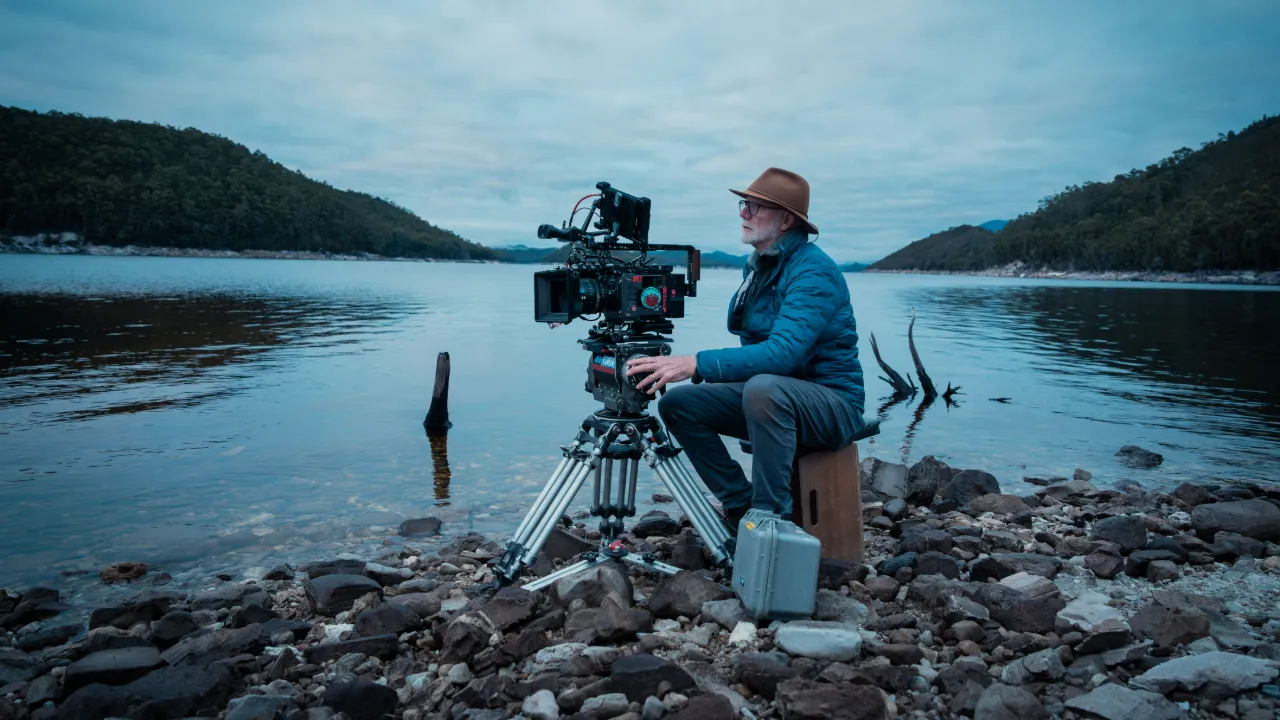
Lutruwita / Tasmania offers something increasingly rare in global production – landscapes that feel untouched, light that shapes mood naturally, and locations that actively enhance story. Three leading cinematographers share why the island continues to draw them back.
Tim Noonan: Scale, Drama and Natural Storytelling
Documentary filmmaker Tim Noonan filmed the first season of Alone Australia on Tasmania’s west coast, capturing the vast, elemental landscapes the series is known for.

For Noonan, Tasmania offers built-in cinematic power, particularly for unscripted storytelling.
“You put a person in the right Tasmanian setting and the drama is already there. Filming here is such a delight.”

He points to the island’s southern latitude as a major creative advantage.
“We’re blessed with a low-set sun in winter and long days in summer, giving us that European-style light, along with incredible seasonal colour.”

For productions seeking authenticity and scale without compromise, Noonan says Tasmania delivers both in abundance.
Martin McGrath: Authenticity and Atmosphere
Master cinematographer Martin McGrath, who most recently shot season two of Bay of Fires, sees Tasmania as a creative collaborator.

“It’s a two-sided sword: beauty and intensity,” McGrath says. “But what rewards.”
He believes the island’s environments strengthen character and narrative.
“Characters are enhanced when they genuinely belong in the environment. The trees, the wind, the rocks – they all feed into the story,” he says. “There’s something powerful about trusting nature to shape the scene.”

McGrath is particularly drawn to Tasmania’s winter light.
“I’m a big fan of natural light and always thinking about authenticity. Sunrise in winter is a personal favourite. In the right light, places like Lake Burbury carry an incredible presence on screen.”
For drama, Tasmania offers mood and atmosphere that feel organic rather than constructed – an invaluable asset for filmmakers striving for realism.
Katie Milwright: A Distinctive Visual Language
Acclaimed cinematographer Katie Milwright, known for the Amazon hit Deadloch, says Tasmania inevitably shapes the visual identity of a production.

“The landscape in Tassie is definitely a collaborator,” Milwright says. “Windswept cliffs and expansive wilderness create a scale that’s both cinematic and intimate.”
Milwright has also filmed Tasmanian projects including Bruny and Kaleidoscope, along with multiple commercials, and is eager to return.
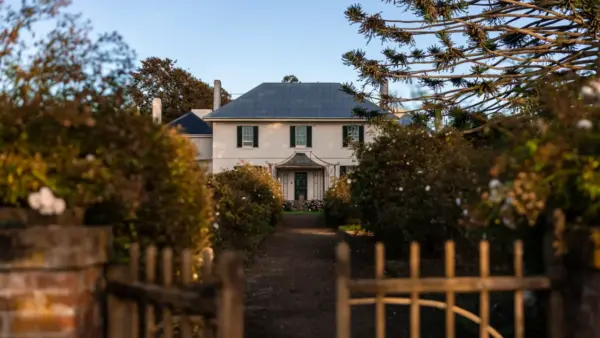
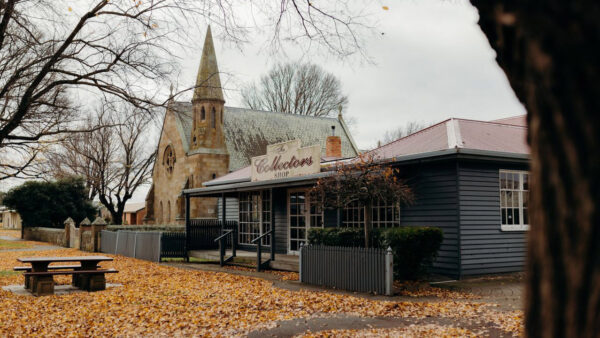
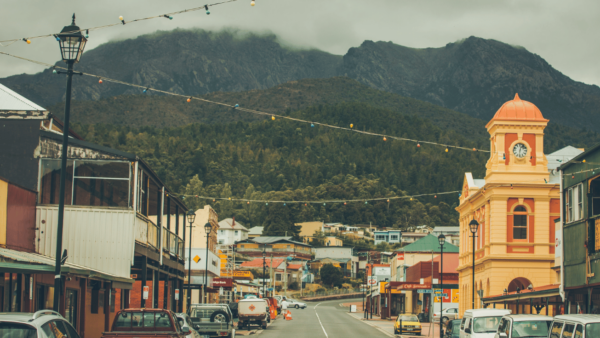
“The wilderness and wildness of Tasmania can’t help but influence the look of a show – the houses look different, the cities and streets feel distinct”
“For many audiences, it’s an unseen part of the world. That makes it visually exciting and fresh.”

She also highlights the practical advantages for production.
“Wild spaces are much easier to access close to major centres than people expect,” Milwright says.
“There’s fantastic talent and capability on the ground. Knowing what’s available locally can make a real difference.”
The Signature Look: From Light to ‘Tassie Noir’
Tasmania’s distinctive aesthetic has helped inspire what many refer to as “Tassie Noir”, the atmospheric tone seen in productions such as The Kettering Incident, The Hunter, The Nightingale and The Gloaming.
From long summer dusks to crisp winter mornings, Tasmania provides a natural palette that enhances mood, texture and tone without heavy intervention.

An Island That Leaves a Lasting Impression
For all three cinematographers, Tasmania is more than a location, it’s a creative partnership.
Noonan was drawn back by the sense of opportunity. After filming Deadloch, Milwright purchased property in Hobart. McGrath frequently imagines relocating to the Apple Isle.

The message is clear: Tasmania offers productions something distinctive, cinematic and globally unique. It combines dramatic landscapes, accessible wilderness, experienced crews and extraordinary light, elevating stories with a visual identity that feels both grounded and unforgettable.